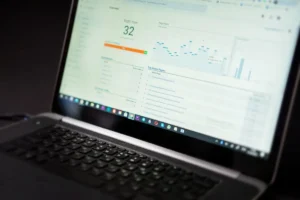
A search engine position tracker shows where your pages rank for specific keywords, how those positions change over time, and which terms are gaining or losing visibility. Keyword Position Tool is built for quick daily checks: enter your keywords, review current positions, compare movement, and spot pages that need action before traffic drops further.
What a search engine position tracker does
A practical position tracker focuses on four things: current keyword rankings, ranking movement, visibility changes, and page-level performance. Instead of guessing whether a page is improving, you can see if a keyword moved from position 18 to 11, slipped from 4 to 7, or entered the top 100 for the first time.
For day-to-day SEO work, that matters because ranking changes often happen before traffic shifts become obvious in analytics. A position tracker helps you catch those changes early and decide what to update next.
With Keyword Position Tool, the main use is simple: check where your keywords stand in search results, review movement over time, and identify which pages deserve immediate attention.
When to use a keyword position tool
You should use a keyword position tool any time rankings affect business performance. That includes lead generation pages, product pages, service pages, local landing pages, and content designed to capture search demand.
After publishing a new page
Track whether a new page starts appearing for its target terms. Early movement from unranked to positions 60, 35, or 20 shows indexing and relevance progress, even before the page reaches page one.
After updating existing content
If you improve headings, internal links, copy depth, or search intent alignment, position checks show whether the update helped. This is especially useful for pages stuck in positions 8 to 20, where small improvements can create meaningful gains.
During weekly or daily SEO reviews
Regular checks help you spot losses before they become larger problems. If a high-value keyword drops several positions, you can review competitors, page quality, and on-page relevance quickly.
For client, team, or stakeholder reporting
Keyword movement is easy to explain. A simple ranking review shows whether visibility is improving, holding steady, or declining, without forcing people to interpret more complex SEO metrics first.
What to look for in daily ranking checks
Daily use should be fast. The point is not to stare at every keyword, but to identify changes that need action.
Position changes on priority keywords
Watch your most valuable terms first. These are usually keywords tied to services, products, bookings, demos, or high-intent informational pages. A move from position 3 to 5 may matter more than ten minor gains on low-value terms.
Keywords close to page-one results
Terms ranking in positions 11 to 20 are often the best short-term opportunities. They already have some relevance and may respond well to stronger copy, better internal links, refreshed information, or improved title targeting.
Sudden drops on established pages
If a page has ranked consistently and then declines, that can indicate stronger competition, content decay, technical issues, weaker internal linking, or a mismatch with current search intent. A tracker helps you catch that pattern quickly.
Visibility spread across multiple pages
Sometimes several pages rank for similar terms, which can dilute performance. Position checks help you see whether the right page is ranking or whether another page is competing for the same query.
Practical benefits of using Keyword Position Tool
- See current rankings without a complicated setup
- Spot gains and losses before traffic changes become obvious
- Find quick-win keywords near page one
- Review page performance by keyword instead of guessing
- Support simple reporting for clients or internal teams
How ranking movement helps you make better decisions
Position data is most useful when it leads to action. If rankings improve after an update, you have evidence that the page changes worked. If rankings fall, you know where to investigate first. If positions stay flat for weeks, you may need a larger rewrite, stronger links, or a different keyword target.
This is why a search engine position tracker is not just a reporting tool. It is a prioritization tool. It helps you decide where to spend time today instead of reviewing every page equally.
Examples of useful ranking signals
A keyword moving from 14 to 9 suggests a page may be ready for a final push into stronger visibility. A drop from 2 to 6 on a commercial term may require immediate review because click loss can be significant. A page ranking for many secondary terms but not the main target may need tighter optimization around the core topic.
Simple workflow for daily use
Use this short workflow to turn ranking checks into action:
- Open your tracked keyword set and review the biggest movers.
- Filter for priority keywords that dropped or keywords sitting in positions 11 to 20.
- Check the ranking page for content freshness, title targeting, internal links, and search intent match.
- Update the page or supporting links based on what changed.
- Monitor movement over the next few days or weeks to confirm the impact.
Short workflow example
A service page ranks at position 12 for a valuable keyword. You review the page and notice the title is broad, the copy barely mentions the service variation people search for, and there are only two internal links pointing to it. You tighten the title, expand the service details, add a clear section answering common intent, and link to the page from related content. The tracker then shows whether the keyword moves into the top 10.
Who benefits most from a simple position tracker
Keyword Position Tool is especially useful for freelancers, small businesses, in-house marketers, and agencies that want quick ranking visibility without unnecessary complexity. If your main goal is to know where your keywords stand and what changed since the last check, a focused tracker is often more useful than a larger platform with features you do not use daily.
It is also a good fit for teams managing local SEO campaigns, service-area pages, ecommerce category pages, and content programs where ranking movement needs regular review.
FAQ
How often should I check keyword positions?
For active SEO work, daily or several times per week is useful. For smaller sites, a weekly review may be enough.
What is the most important ranking movement to watch?
Focus on high-value keywords, major drops on strong pages, and terms sitting just outside page one.
Can a position tracker help with content updates?
Yes. It shows whether updates improve rankings, stay flat, or lead to losses, which helps you judge the impact of changes.
Why use Keyword Position Tool instead of checking manually?
Manual checks are slow and inconsistent. A dedicated tool makes ranking reviews faster, clearer, and easier to repeat regularly.