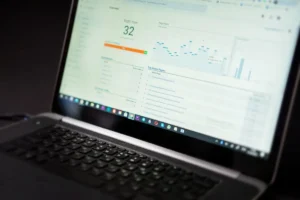
A keyword position analysis dashboard shows where your tracked keywords rank, how those rankings change over time, and which pages are gaining or losing visibility. In Keyword Position Tool, the dashboard is built for fast daily checks: you can review current positions, compare movement, spot drops early, and decide what to update next without digging through complex reports.
What a keyword position analysis dashboard does
The dashboard pulls your tracked keywords into one view so you can monitor search performance page by page and term by term. Instead of checking rankings manually, you can see which keywords are stable, which are improving, and which have slipped. That makes it easier to connect ranking movement to recent content edits, on-page changes, publishing activity, or competitor pressure.
For practical SEO work, the most useful dashboard functions are simple:
- Check current keyword positions quickly
- Review daily, weekly, or recent ranking movement
- Identify pages losing visibility before traffic drops further
- Find keywords close to page one that deserve attention
- Prioritize updates based on real movement, not guesswork
When to use a keyword position dashboard
A keyword position dashboard is most useful when you need clear answers fast. If you publish content regularly, manage service pages, track local or national terms, or report on SEO progress, daily ranking visibility matters. The dashboard gives you a working view of performance without forcing you into a full analytics review every time.
Use it after publishing new content
When a new page goes live, rankings often move in stages. A dashboard helps you see whether the page is entering results, climbing for secondary terms, or failing to gain traction. That tells you whether to wait, strengthen internal links, improve title targeting, or expand the page content.
Use it after updating an existing page
If you refresh a page title, rewrite sections, improve topical coverage, or change internal links, position tracking helps confirm whether the update worked. Ranking movement over the next days or weeks gives you direct feedback on the effect of those changes.
Use it for daily visibility checks
Many teams do not need a large reporting stack every morning. They need to know what moved. A keyword position analysis dashboard is ideal for a quick daily review of winners, losers, and pages that need action. This is especially useful for agencies, in-house marketers, content teams, and site owners managing multiple priority pages.
Use it before reporting or planning next actions
Before you decide what to optimize next, check the dashboard. It helps you avoid spending time on pages that are already stable while missing pages that have dropped from strong positions. It also helps you spot terms sitting just outside top results, where a focused update can produce a faster return.
What to review inside the dashboard
Current keyword positions
The first job is to see where each keyword stands now. This gives you a baseline for every tracked term. For commercial pages, this can highlight whether high-intent keywords are ranking where they need to. For informational content, it shows whether the page is building visibility across related searches.
Ranking movement over time
Movement matters more than a single snapshot. A page moving from position 18 to 11 is often more important than a page sitting unchanged at position 6. The dashboard should make movement easy to read so you can separate temporary fluctuations from meaningful trends.
Visibility changes by page
Keyword tracking becomes more useful when you review it at the page level. If one URL loses positions across several related terms, the issue is usually page-specific. That may point to weaker relevance, outdated content, stronger competitors, or technical changes that need review.
Opportunities near the top results
Keywords ranking just outside the most visible positions are often the best optimization targets. A dashboard helps you find these terms quickly. Instead of chasing broad improvements everywhere, you can focus on pages that are already close and likely to respond to practical updates.
How Keyword Position Tool supports practical daily use
Keyword Position Tool is designed for users who want a clear ranking check without unnecessary complexity. The dashboard keeps attention on the data that drives action: current positions, movement, visibility shifts, and the keywords tied to each page. That makes it easier to run a repeatable SEO routine.
For example, a content manager can open the dashboard in the morning, filter priority keywords, review any drops, and assign updates before traffic impact becomes a bigger issue. A local business can track service terms and confirm whether location pages are improving. An agency can use the same dashboard to review client performance and identify where to focus optimization time first.
Short workflow example
Here is a simple daily workflow:
- Open the dashboard and review keywords with the biggest position changes.
- Check which pages lost visibility across multiple terms.
- Identify keywords sitting close to stronger positions, such as just outside the top results.
- Update the page title, headings, internal links, or missing content sections.
- Recheck movement over the next few days to confirm whether the update helped.
How to turn ranking data into action
Prioritize pages with multiple keyword drops
A single keyword fluctuation may not mean much. But if one page drops across several related terms, that usually deserves immediate review. The dashboard helps you catch this pattern quickly so you can inspect the page before the loss becomes larger.
Strengthen pages already close to better positions
Pages ranking near stronger visibility often offer the easiest gains. Use the dashboard to find these terms, then improve matching on-page elements such as headings, copy depth, internal links, and search intent alignment.
Validate whether optimization work is working
Without position tracking, SEO changes can feel unclear. A dashboard gives you a direct way to measure whether a content refresh or page improvement led to better rankings. That makes future prioritization easier and reduces wasted effort.
FAQ
What is a keyword position analysis dashboard?
It is a dashboard that shows your tracked keyword rankings, movement over time, and visibility changes by keyword or page so you can monitor SEO performance quickly.
How often should I check keyword positions?
For active sites, a daily or several-times-per-week review is useful. It helps you catch ranking drops early and monitor the impact of updates.
Who should use Keyword Position Tool?
It is useful for site owners, marketers, agencies, and content teams that want a simple way to track keyword positions and act on ranking changes.
What should I do when a keyword drops?
Check whether multiple terms on the same page also dropped, review recent page changes, compare search intent coverage, and update the page where needed. Then monitor movement in the dashboard.