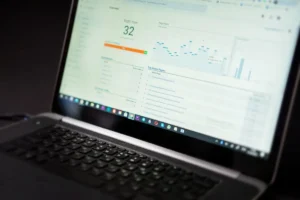
A domain keyword position tracker shows where a website ranks for specific search terms, how those rankings change over time, and which pages are gaining or losing visibility. For daily SEO work, it helps you check keyword positions by domain, review movement after content updates, and spot drops before they affect leads or sales. Keyword Position Tool is built for this practical job: enter a domain, track target keywords, and review ranking changes without extra clutter.
What a domain keyword position tracker does
The core job is simple: match a domain with a list of keywords and report current search positions. That sounds basic, but useful tracking goes further. It shows whether rankings are stable, improving, or slipping, and it makes it easier to connect movement with real actions such as publishing a new page, updating title tags, improving internal links, or losing page relevance.
For a business site, this means you can quickly answer questions like:
- Which keywords are on page one right now?
- Which terms moved up after a page update?
- Which important keywords dropped and need attention?
- Which landing pages are actually carrying search visibility?
Instead of checking results manually every day, a tracker gives you a repeatable view of performance by keyword and by page.
When to use a keyword position tool
A domain keyword position tracker is most useful when rankings matter to daily decisions. If you publish content, manage service pages, run SEO for clients, or monitor competitors, position checks help you act faster and with less guesswork.
After publishing or updating important pages
When you launch a new landing page or revise an older one, rankings often move in stages. A tracker helps you see whether the page starts appearing for the right terms, whether it climbs, and whether it stalls. This is especially useful for service pages, category pages, local pages, and articles targeting commercial keywords.
During weekly visibility reviews
Many teams do not need a full technical audit every day. They need a simple ranking review. Tracking positions by domain makes weekly reviews faster because you can focus on movement, not on collecting data manually. If ten keywords dropped at once, that is a signal to inspect page changes, internal linking, or search intent mismatch.
When traffic changes unexpectedly
If organic traffic dips, position data helps narrow the cause. A tracker can show whether the drop came from a few high-value keywords slipping from top three to lower page one, or from broader losses across many terms. That difference matters because the fix is different.
For campaign and client reporting
If you manage SEO for several sites, domain-based keyword tracking gives you a clean way to report progress. You can show movement on target terms, highlight wins, and identify pages that need more work. This keeps reporting tied to visible outcomes instead of vague activity.
How Keyword Position Tool helps with practical ranking checks
Keyword Position Tool is designed for users who want a straightforward way to check domain rankings and review movement over time. The value is not in overloaded dashboards. It is in making daily checks easier to run and easier to understand.
Track positions for the keywords that matter
Not every keyword deserves equal attention. A practical tracker lets you focus on the terms tied to your services, products, locations, and priority pages. This gives you a cleaner view of performance and avoids wasting time on low-value terms that do not support business goals.
Review ranking movement quickly
A useful position tracker should make changes obvious. If a term moved from position 18 to 9, that is a meaningful gain. If another fell from 4 to 11, that needs attention. Reviewing movement at a glance helps you decide where to update content first.
Connect keywords to landing pages
Rankings are more useful when you can see which page is ranking. This helps answer whether the right page is appearing for the term, whether Google is choosing a different page than expected, and whether a page is losing relevance. For SEO teams, this is one of the fastest ways to spot cannibalization or weak page targeting.
Practical benefits of domain keyword tracking
- Catch ranking drops before they turn into larger traffic losses
- Measure whether page updates actually improve visibility
- Prioritize SEO work around keywords with commercial value
- Keep weekly reporting simple and tied to ranking movement
What to look for in daily ranking reviews
Daily checks do not need to be complicated. The goal is to identify movement that deserves action. Start with your top keywords and review whether positions are stable, rising, or falling. Then look at the pages attached to those terms. If the wrong page is ranking, the issue may be page focus or internal linking. If several related terms drop together, the page may need stronger content alignment or a refresh.
Small moves near page one matter most
A move from position 14 to 10 is useful, but a move from 10 to 7 often matters more because it can improve visibility much faster. The same applies in reverse. A drop from 3 to 6 can reduce clicks even if the page is still on page one. That is why position tracking should focus on movement with business impact, not just raw averages.
Group checks by page type
It helps to review keywords by page type: service pages, product pages, local pages, blog content, and comparison pages. This makes it easier to spot patterns. If service pages are stable but blog pages are slipping, your content refresh plan becomes clearer.
Short workflow example
A local service business updates three city pages on Monday. On Tuesday, the team adds those page keywords to Keyword Position Tool. Over the next two weeks, they watch positions for terms like the main service plus city modifiers. One page moves from 12 to 7, one stays around 15, and one drops from 9 to 13. Based on that view, they improve internal links to the weaker pages, tighten headings and copy on the page that stalled, and recheck movement during the next review cycle.
How to get more value from a position tracker
Use a focused keyword set. Track the terms you actually want to win, not every variation you can find. Review rankings on a schedule. Weekly is enough for many sites, while active campaigns may need closer checks. Keep notes on important page edits so ranking movement has context. And when you see a drop, investigate the page before making broad changes across the whole site.
FAQ
What is a domain keyword position tracker?
It is a tool that checks where a domain ranks for selected keywords and shows how those positions change over time.
How often should I check keyword positions?
For most sites, weekly reviews are practical. For active campaigns, new page launches, or sudden traffic changes, more frequent checks can help.
Why not just search manually?
Manual checks are slow, inconsistent, and hard to compare over time. A tracker gives you a cleaner view of movement and page-level performance.
Who should use Keyword Position Tool?
It is useful for site owners, marketers, agencies, and SEO teams that want a simple way to monitor keyword positions, visibility changes, and ranking movement by domain.