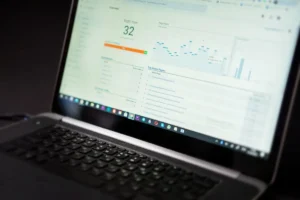
A keyword position tracking dashboard shows where your pages rank for target search terms, how those positions change over time, and which keywords need action first. Keyword Position Tool is built for quick daily checks: you add keywords, connect them to landing pages, review current positions, compare movement, and spot visibility changes before they affect traffic and leads.
What a keyword position tracking dashboard does
The dashboard gives you a practical view of ranking performance without making you dig through multiple reports. Instead of checking one keyword at a time, you can review groups of terms by page, topic, location, or campaign and see which positions are stable, rising, or slipping.
For day-to-day SEO work, the most useful dashboard functions are simple:
- Check current keyword positions for important terms
- Review ranking movement over time
- Match keywords to the pages intended to rank
- Spot sudden drops, slow declines, and quick wins
- Prioritize updates based on visibility impact
This is especially useful when you need a fast answer to questions like: Did the service page improve after edits? Which blog posts lost rankings this week? Are branded terms holding steady? Which keywords are close enough to page one to justify immediate work?
When to use a keyword position dashboard
Use it whenever ranking changes need to lead to action. A dashboard is most valuable when you are actively publishing content, updating landing pages, tracking local terms, or reporting SEO progress to clients or internal teams.
Daily checks
A quick daily review helps you catch movement early. If a high-value keyword drops from position 4 to 9, you can inspect the page before the decline turns into a traffic problem. If a term moves from 12 to 8, you know it may be worth improving titles, internal links, or on-page relevance to push it further.
Weekly visibility reviews
Weekly reviews are useful for trend spotting. Short-term fluctuations happen, but a dashboard helps separate noise from meaningful movement. You can compare keyword groups, identify pages with broad declines, and see whether recent optimization work is producing gains.
After page updates
Any time you change headings, copy, internal links, metadata, or page structure, position tracking helps measure the result. Without a dashboard, it is hard to know whether a content refresh improved rankings or simply changed nothing.
Campaign and client reporting
If you manage SEO for multiple pages or accounts, a dashboard gives you a clean way to show progress. Instead of listing isolated rankings, you can report movement, visibility trends, and keywords entering stronger positions.
What to look for in a practical dashboard
A useful keyword position tracking dashboard should help you make decisions quickly. The goal is not more charts. The goal is faster ranking review and clearer priorities.
Current position and previous position
You need to see where the keyword ranks now and where it ranked before. That comparison is the basis for almost every SEO action. A static ranking number is less useful than movement.
Keyword-to-page mapping
Tracking is more useful when each keyword is tied to the page that should rank. This helps you catch mismatches, cannibalization issues, and cases where the wrong page is appearing in search.
Movement filters
Filters for gains, losses, top 3, top 10, and second-page keywords make the dashboard practical. These views help you focus on terms that are either under threat or close to improvement.
Visibility review by group
Grouping keywords by service, category, location, or content type makes reporting easier and helps you find patterns. If one group drops together, the issue may be broader than a single page.
How Keyword Position Tool supports daily ranking work
Keyword Position Tool is designed for straightforward ranking review. It helps users monitor target terms, review position changes, and keep attention on keywords that matter commercially. Instead of turning rank tracking into a large reporting project, it supports quick checks that fit into normal SEO workflows.
That makes it useful for freelancers, in-house marketers, agencies, and site owners who want a simple way to review keyword positions without extra complexity. If your main need is to know where you rank, what changed, and what to work on next, a focused dashboard is often more useful than a broader platform.
How to use ranking movement to decide next steps
Position data becomes valuable when it points to action. The dashboard should help you sort keywords into practical buckets.
Keywords rising into opportunity range
If a term moves from positions 15 to 11, or 11 to 8, it may respond well to targeted on-page improvements. These are often the easiest wins because the page is already considered relevant.
Keywords slipping from strong positions
If a keyword falls from 3 to 6 or 6 to 10, check competing pages, content freshness, internal linking, and search intent alignment. Small declines near the top of results can have an outsized traffic effect.
Keywords with no movement
Flat rankings after a page update can be useful information too. It may mean the change was too minor, the page targets the wrong intent, or stronger authority signals are needed.
Short workflow example
Here is a simple weekly workflow using a keyword position tracking dashboard:
- Open the dashboard and filter for keywords that dropped in the last 7 days
- Check whether the affected keywords belong to the same page or topic group
- Review the ranking page for content gaps, title relevance, and internal links
- Filter for keywords in positions 8 to 15 and pick the best near-page-one opportunities
- Update those pages first, then monitor movement in the next review cycle
Who benefits most from this type of tool
A keyword position tracking dashboard is especially useful for teams and site owners who need fast answers, not broad marketing reports. It fits well when ranking visibility is tied directly to lead generation, local discovery, or content performance.
Common use cases include tracking service keywords for local businesses, monitoring category and product terms for ecommerce, reviewing blog keyword growth for publishers, and checking campaign landing pages after optimization work.
FAQ
What is a keyword position tracking dashboard?
It is a reporting view that shows where your keywords rank in search results and how those rankings change over time.
How often should I check keyword positions?
For active SEO work, daily or weekly checks are most practical. Daily helps catch sudden drops, while weekly is good for trend review and prioritization.
Why does ranking movement matter more than a single position?
Movement shows whether performance is improving, declining, or staying flat. That trend is what helps you decide where to update pages or protect existing visibility.
Who should use Keyword Position Tool?
It is a good fit for anyone who wants a simple, practical way to monitor keyword positions, review visibility changes, and act on ranking movement without unnecessary complexity.