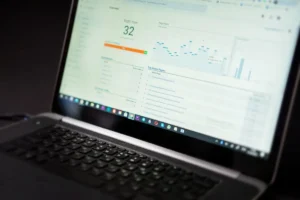
A keyword position watch tool shows where your pages rank for the search terms that matter to your business, then helps you spot movement before traffic changes become obvious. Instead of checking search results manually, you can review keyword positions in one place, compare today against earlier dates, and quickly see whether a page is holding, climbing, or slipping. For daily SEO work, that means faster visibility checks, cleaner reporting, and better decisions about which pages need attention first.
What a keyword position watch tool does
The main job of a keyword position watch tool is simple: track ranking positions for selected keywords and connect those positions to the pages you want to monitor. A practical tool should help you answer four questions fast:
- Which keywords are improving?
- Which keywords are losing visibility?
- Which landing pages are affected?
- What changed since the last check?
For most users, the value is not just the raw position number. It is the ability to review ranking movement over time. A keyword moving from position 18 to 11 may not look dramatic at first glance, but it signals a page that is close to page one and may deserve immediate optimization. A keyword dropping from position 4 to 8 can indicate a bigger visibility problem, even if the page still ranks on page one.
Keyword Position Tool is built for this practical use case: quick position checks, clear movement review, and an easy way to monitor visibility without turning rank tracking into a full-time job.
When to use a keyword position watch tool
You should use a keyword position watch tool whenever rankings influence traffic, leads, or sales decisions. The most common use cases are routine monitoring, post-update checks, and page-level optimization reviews.
Daily visibility review
If you manage active pages, publish new content, or update commercial landing pages regularly, daily checks help you catch movement early. This is especially useful for keywords ranking between positions 3 and 20, where small changes can have a real impact on clicks.
After publishing or updating a page
When you refresh title tags, rewrite copy, improve internal links, or expand a page, position tracking shows whether those changes helped. Without a watch tool, it is difficult to separate real ranking gains from guesswork.
After search volatility or algorithm shifts
When rankings move across several pages at once, a position watch tool helps you identify patterns. You can see whether drops are isolated to one page, one keyword group, or a wider section of the site.
For client or team reporting
Teams need a clean way to show progress. Position movement is easier to explain than abstract SEO metrics. A simple report showing gains, losses, and stable keywords gives stakeholders a direct view of search visibility.
How to review ranking movement in a useful way
Checking positions is only helpful if you know how to read the movement. The best approach is to group keywords by intent, page, and ranking band.
Watch ranking bands, not just single positions
A move from position 42 to 35 matters less than a move from 12 to 9. Focus first on keywords in these bands:
Positions 1 to 3: protect these rankings and monitor closely for drops.
Positions 4 to 10: strong opportunities for CTR gains and page-one stability.
Positions 11 to 20: high-priority keywords that may respond well to on-page improvements.
Positions 21 to 50: longer-term targets that need stronger relevance, links, or supporting content.
Review by landing page
If one page tracks multiple keywords, look at the page as a whole. When several terms tied to the same URL decline together, the issue may be page quality, search intent mismatch, or stronger competing pages. When one keyword drops but related terms stay stable, the problem may be narrower, such as title relevance or SERP changes.
Compare movement over a practical timeframe
Daily checks are useful, but single-day movement can be noisy. Compare today against 7-day and 30-day views to understand whether a change is temporary or part of a trend. This helps you avoid overreacting to minor fluctuations.
Practical benefits for daily SEO work
- Save time on manual ranking checks
- Spot drops before traffic reports show the damage
- Find near-page-one keywords worth optimizing now
- Tie ranking changes to specific pages and updates
- Create simple, credible progress reports
What to do when positions change
A keyword position watch tool is most valuable when it leads to action. Once you spot movement, the next step is deciding what to change.
If rankings improve
Check what likely helped. Did you update the page, add internal links, improve headings, or strengthen topical coverage? If a page is moving into positions 5 to 12, consider refining the title tag, tightening the opening copy, and improving the match between the page and the keyword intent.
If rankings drop
Start with the affected page. Review whether the content still matches the query, whether competitors now cover the topic better, and whether recent edits weakened relevance. Also check whether multiple keywords dropped together, which can signal a broader page-level issue.
If rankings stay flat
Flat movement is still useful information. It may mean the page needs stronger changes, not minor edits. If a keyword has stayed between positions 13 and 16 for weeks, that usually calls for more substantial improvement such as content expansion, better internal linking, or clearer search intent targeting.
Short workflow example
A local service business tracks 25 keywords for its main service pages. In the morning, the team checks movement inside Keyword Position Tool and notices one page dropped from position 5 to 9 for three high-value terms. They review the page, compare it with current top-ranking results, update the service copy to better match search intent, add two internal links from related pages, and watch positions over the next week. At the same time, they notice another keyword moved from 14 to 11, so they prioritize that page for a quick title and FAQ improvement to push it onto page one.
How Keyword Position Tool fits practical rank tracking
Keyword Position Tool is designed for users who want a simple way to check positions, review visibility, and monitor ranking movement without unnecessary complexity. The focus is on practical ranking checks you can use every day: see where a keyword stands, compare changes over time, and decide which pages need work first.
That makes it useful for freelancers, in-house marketers, small agencies, site owners, and anyone managing a focused keyword set. If your goal is to keep an eye on important rankings and act quickly when movement happens, a straightforward position watch workflow is often more valuable than a bloated reporting system.
FAQ
How often should I check keyword positions?
For active sites, daily or several times per week is practical. For slower-moving sites, weekly checks may be enough.
What is the most important ranking movement to watch?
Keywords near page one and keywords already in top positions usually deserve the closest attention because small changes can affect clicks quickly.
Should I track every keyword?
No. Track the keywords tied to important pages, commercial intent, and meaningful traffic opportunities.
Can position checks help prioritize SEO work?
Yes. They help you find pages that are close to stronger visibility, pages losing ground, and updates that are worth doing first.