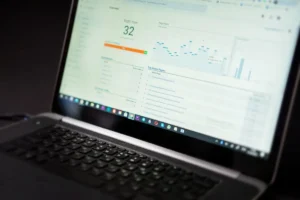
A search engine position checker shows where your pages rank for specific keywords, how those positions change over time, and which terms need attention first. Keyword Position Tool is built for fast, practical checks: enter your keywords, review current positions, compare movement, and spot visibility changes without digging through multiple reports.
What a search engine position checker does
A search engine position checker tracks the ranking position of your pages for target search terms. Instead of guessing whether a page is improving, slipping, or holding steady, you can see the exact movement for each keyword and connect that movement to recent updates, content changes, or competitor activity.
For daily use, the tool helps answer simple questions quickly:
- Which keywords moved up today or this week?
- Which landing pages lost visibility?
- Which terms are close to page-one results?
- Where should you focus updates first?
This makes it useful for site owners, in-house marketers, agencies, ecommerce teams, and content managers who need a clear ranking view without extra complexity.
How Keyword Position Tool helps you check rankings faster
Keyword Position Tool is designed around position checks and movement review. The goal is not to overload you with broad SEO dashboards. The goal is to help you monitor keyword rankings, review visibility shifts, and act on changes quickly.
Check current keyword positions
See where your tracked keywords rank right now. This is useful when you want to confirm whether a page is visible for a target term, whether a recent optimization worked, or whether a page is underperforming compared with expectations.
Review ranking movement over time
Position changes matter more than a single ranking snapshot. A keyword moving from 18 to 11 is often more valuable than one staying at 4, because it shows momentum and a clear opportunity to push into stronger visibility. With ranking movement review, you can identify gains, drops, and stable terms at a glance.
Spot visibility issues early
If several keywords tied to one page drop at the same time, that usually points to a page-level issue. If only one keyword drops while related terms hold, the problem may be query-specific or caused by stronger competition. A search engine position checker helps you separate broad visibility problems from isolated ranking shifts.
When to use a search engine position checker
The best time to use a position checker is before, during, and after changes. Rankings are easier to manage when you track them consistently instead of checking only after traffic falls.
After updating a page
If you revise titles, headings, internal links, product copy, or supporting content, use the tool to monitor whether target keywords improve. This gives you a direct way to judge whether the update moved the page in the right direction.
When launching new content
New pages often need time to settle, but early position checks show whether a page is entering the results for the right terms. If the page starts ranking for adjacent keywords instead of the primary target, you can refine the content before the page stalls.
During weekly visibility reviews
A weekly ranking review helps you catch small declines before they become traffic losses. This is especially useful for category pages, service pages, and high-value articles where a few position drops can reduce clicks quickly.
Before reporting performance
If you report to clients, managers, or stakeholders, ranking checks provide a simple summary of progress. Instead of relying on broad traffic changes alone, you can show which keywords improved, which pages gained visibility, and where next actions should focus.
What to look for in your ranking data
Not every ranking change needs action. The most useful position checks focus on patterns that affect visibility and clicks.
Keywords close to page one
Terms ranking in positions 11 to 20 often deserve immediate attention. These keywords already have relevance and can respond well to on-page improvements, stronger internal links, or a better match between search intent and page content.
High-value terms that slipped
If a keyword tied to a revenue page drops from 3 to 7, that deserves faster action than a low-priority term falling from 42 to 47. A practical ranking workflow always weighs business value alongside position movement.
Pages with broad declines
When multiple keywords for one URL decline together, review the page itself first. Check content quality, title clarity, internal linking, freshness, and whether the page still matches what searchers want.
A simple daily workflow for ranking checks
Use this short workflow to keep keyword monitoring practical:
Example workflow
Each morning, review your tracked keywords and sort by biggest movement. First, flag terms that dropped sharply. Second, identify keywords sitting just outside stronger visibility positions. Third, open the affected pages and compare them with the search intent behind those terms. Then decide whether to update page copy, improve headings, add internal links, or leave the page unchanged and continue monitoring.
This kind of routine works well because it turns ranking data into clear actions instead of passive reporting.
How position checks support practical SEO decisions
A search engine position checker is most useful when it helps you decide what to do next. Position data can guide content refreshes, page prioritization, and quick visibility reviews across important keyword groups.
Prioritize pages with the best upside
If one page has ten keywords ranking between 8 and 15, it may deserve more attention than a page with one keyword at 38. Position checks help you focus on pages that are already close to stronger performance.
Measure the impact of optimization work
Without ranking checks, it is difficult to tell whether a content update improved visibility or whether traffic changes came from other factors. Position tracking gives you a cleaner before-and-after view.
Keep competitor pressure visible
Ranking movement often reflects competitive shifts. If your page holds steady for months and then starts slipping, that is a sign to review the results page, compare content quality, and strengthen your page before the decline spreads to related terms.
Why a simple tool is often better for daily checks
Many users do not need a large, complicated platform for routine position monitoring. They need a quick way to check rankings, review movement, and understand visibility changes without extra setup or unnecessary reports. Keyword Position Tool keeps the process focused on the core job: checking where your keywords stand and what changed.
That makes it well suited for practical daily use, especially when you manage a focused keyword set, key landing pages, or recurring client reports.
FAQ
How often should I check keyword positions?
For active sites, a daily or weekly review is usually enough. Daily checks help catch sudden movement, while weekly reviews work well for steady monitoring.
What is the difference between a position check and a visibility review?
A position check shows the ranking of individual keywords. A visibility review looks at the broader pattern across multiple keywords and pages to spot gains, losses, or page-level issues.
When should I act on a ranking drop?
Act faster when the drop affects important keywords, revenue pages, or multiple terms tied to the same URL. Small fluctuations on low-priority terms usually do not need immediate changes.
Who should use Keyword Position Tool?
It is a good fit for anyone who wants a simple, practical way to check keyword positions, monitor ranking movement, and review search visibility without bloated reporting.