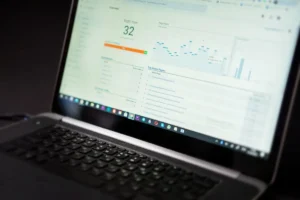
A keyword position reporting dashboard shows where your tracked keywords rank, how those positions change over time, and which pages gain or lose visibility. For daily SEO work, it gives you one place to review current rankings, compare movement, spot drops early, and turn ranking data into clear actions. Keyword Position Tool is built for this exact job: simple keyword position checks, fast visibility review, and practical reporting you can use every day without digging through cluttered reports.
What a keyword position reporting dashboard should show
The dashboard should answer four questions immediately: where you rank now, what changed, which keywords matter most, and which pages need attention. If a report cannot do that in a few seconds, it slows down decision-making.
Keyword Position Tool focuses on the core ranking metrics teams actually use:
- Current keyword positions
- Position changes since the last check
- Visibility trends across tracked terms
- Top gaining and losing keywords
- Landing pages connected to ranking terms
- Daily movement for priority keyword groups
This makes it easier to review a campaign without jumping between spreadsheets, search results, and manual notes.
What the tool does immediately
Keyword Position Tool tracks your selected keywords and turns ranking updates into a clear reporting view. Instead of checking terms one by one, you can review a dashboard that highlights movement, compares dates, and shows where your search visibility is improving or slipping.
In practical terms, the tool helps you:
Check keyword positions quickly
See the latest ranking for each tracked term without manual searching. This is useful for daily checks, campaign reviews, and client updates.
Review ranking movement over time
A single position number is only part of the story. The dashboard shows whether a keyword moved up, dropped, or stayed stable, so you can judge momentum instead of relying on a static snapshot.
Spot visibility losses early
If a page slips for a high-value term, the dashboard makes that visible before the traffic impact becomes harder to reverse. This is especially helpful after page edits, migrations, internal linking changes, or competitor updates.
Connect keywords to pages
Reporting is more useful when you can see which URL is ranking for each term. That makes it easier to decide whether to update content, consolidate overlapping pages, or improve on-page relevance.
When to use a keyword position reporting dashboard
This type of dashboard is most useful when rankings need regular review, not occasional spot checks. Keyword Position Tool fits daily, weekly, and monthly reporting needs, especially when you want simple answers fast.
Daily monitoring for priority keywords
If you rely on a set of commercial or lead-driving keywords, daily position checks help you catch sudden changes. A drop from page one to page two can affect clicks quickly, so fast visibility matters.
Weekly SEO review
For many teams, a weekly dashboard review is the right rhythm. It gives enough data to spot trends without overreacting to small fluctuations. You can review winners, losses, and pages that need updates.
After publishing or updating content
When you launch a new page or refresh an existing one, the dashboard helps you monitor whether rankings improve for the target keyword set. This is one of the easiest ways to measure whether the update is working.
After technical or site structure changes
Changes to templates, redirects, canonicals, internal links, or page titles can affect rankings. A reporting dashboard gives you a fast way to check whether visibility stayed stable after implementation.
Client and stakeholder reporting
Not every stakeholder wants a full SEO audit. Most want to know what moved, what matters, and what needs action. A clean keyword position dashboard keeps reporting focused and understandable.
How to use the dashboard for practical decisions
The value of keyword reporting is not the chart itself. The value is what you do next. Keyword Position Tool is most effective when you use ranking movement to guide simple actions.
Find pages that are close to stronger positions
Keywords moving from lower page one or upper page two are often the best opportunities. These terms may need a title update, stronger internal links, improved copy depth, or better alignment with search intent.
Investigate sharp ranking drops
If a keyword falls several positions, check the ranking page first. Look for content changes, indexing issues, cannibalization, weaker relevance, or stronger competitor pages. The dashboard helps you identify the problem area quickly.
Measure whether optimizations work
After updating a page, compare ranking movement over the next checks. If the target terms improve, you have evidence the change helped. If not, you can revise the page or test a different angle.
Short workflow example
A practical daily workflow can be very simple:
- Open the dashboard and review top keyword movers.
- Filter for keywords that dropped more than a few positions.
- Check which landing pages are tied to those terms.
- Prioritize pages tied to high-value or high-conversion keywords.
- Update content, internal links, or metadata based on what changed.
- Review the next reporting cycle to confirm recovery or improvement.
What makes a simple reporting dashboard more useful
Many ranking reports become hard to use because they try to show everything at once. For practical SEO work, simplicity is a strength. A useful dashboard should make the important changes obvious and keep the reporting process fast.
Clear movement indicators
You should be able to see gains, losses, and unchanged keywords at a glance. This reduces time spent sorting data manually.
Useful filtering
Filtering by keyword group, page, or movement range helps you focus on what matters most right now instead of scanning a long list.
Historical comparison
Comparing today’s positions with a previous date helps separate normal fluctuation from meaningful trend changes.
Action-ready page view
When a dashboard connects ranking changes to the page responsible, it becomes much easier to assign work and improve the right asset.
Why teams use Keyword Position Tool for reporting
Keyword Position Tool is designed for users who want ranking checks and visibility review without unnecessary complexity. It works well for in-house marketers, consultants, content teams, and site owners who need a straightforward way to monitor keyword performance and report movement clearly.
Instead of building manual reports every time rankings change, you get a repeatable view of position data that supports faster decisions. That is especially useful when you manage multiple target terms, monitor important landing pages, or need regular updates for clients or internal teams.
FAQ
What is a keyword position reporting dashboard?
It is a reporting view that shows current keyword rankings, position changes, and visibility trends so you can monitor search performance and act on movement quickly.
How often should I check keyword positions?
For important commercial keywords, daily or weekly checks are common. The right frequency depends on how competitive the terms are and how quickly you need to react.
Can this help after a content update?
Yes. A dashboard helps you track whether target keywords improve, stay flat, or decline after a page is updated.
Why not just check rankings manually?
Manual checks are slow, inconsistent, and hard to compare over time. A dashboard gives you a repeatable way to review movement and spot issues earlier.