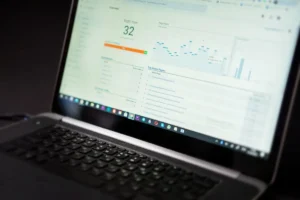
A keyword ranking position checker shows where your pages appear in search results for the terms that matter to your business. Keyword Position Tool is built for quick daily checks: enter a keyword, choose the page or project you want to review, and see current ranking position, visibility changes, and movement over time so you can spot gains, drops, and pages that need attention.
What a keyword ranking position checker does
The main job of a keyword ranking position checker is simple: it helps you verify whether a page is actually ranking for a target keyword and whether that position is improving, holding, or slipping. Instead of guessing from occasional manual searches, you get a cleaner view of keyword position trends and page-level visibility.
For practical SEO work, that matters because rankings move often. A page can rise after a content update, fall after a competitor refresh, or fluctuate when search intent changes. With Keyword Position Tool, you can review those movements quickly and decide what to do next without digging through a bloated reporting setup.
What you can review in one place
Most users want a straightforward answer: where do I rank today, and what changed? A useful checker helps you review:
- Current keyword position for target terms
- Ranking movement compared with earlier checks
- Visibility patterns across important pages
- Keywords that are close to page-one improvement
- Drops that may need a content or on-page fix
When to use a keyword position checker
Use a keyword ranking position checker whenever rankings influence traffic, leads, or sales decisions. Daily checks are especially useful for active pages, local service pages, product pages, and articles tied to high-value search terms.
Use it after publishing or updating a page
If you have just launched a new landing page or revised an existing article, position checks help confirm whether search engines are picking up the page for the intended keyword set. This is one of the fastest ways to validate whether your title, headings, internal links, and page focus are aligned with the term you want to win.
Use it during routine visibility reviews
A weekly or daily visibility review helps you catch early movement before it becomes a traffic problem. If a page slips from position 6 to 13, that is a practical signal to review the content, compare the page against current search results, and improve relevance before the decline gets worse.
Use it when traffic changes unexpectedly
If visits dip or conversions slow down, keyword position data gives you a fast starting point. You can check whether the issue is ranking loss, keyword cannibalization, or simply a page no longer matching the dominant search intent.
How Keyword Position Tool helps with daily SEO work
Keyword Position Tool is designed for users who do not want to waste time navigating oversized dashboards. The value is in fast checks, clear movement tracking, and a practical view of what needs action today.
Quick checks for priority keywords
If you manage a shortlist of commercial terms, branded queries, or local keywords, you can review them regularly and see whether your most important pages are holding position. This is useful for agencies, in-house marketers, site owners, and freelancers who need a reliable daily snapshot.
Ranking movement that is easy to act on
Position data is most useful when it leads to action. A keyword moving from position 18 to 11 suggests a page is close to stronger visibility and may benefit from a tighter title tag, better supporting copy, stronger internal links, or a clearer answer to the query. A keyword dropping from 4 to 9 may point to fresher competitor content or weaker page relevance.
Visibility review without manual searching
Manual searches are slow, inconsistent, and hard to compare over time. A dedicated keyword ranking position checker gives you a more stable review process so you can focus on decisions instead of repeated searching.
What to do with the ranking data
Checking positions is only useful if you know how to respond. The best next step depends on where the keyword sits and how it has moved.
If a keyword ranks in positions 11 to 20
These are often strong improvement opportunities. The page is already relevant enough to appear, but not strong enough to capture top-page clicks. Review the page title, sharpen the main sections around the target query, add supporting details that match search intent, and improve internal linking from related pages.
If a keyword drops suddenly
Start with the page itself. Check whether important copy was changed, whether the page still answers the query clearly, and whether competitors now offer more complete or fresher information. A sudden drop can also signal indexing or technical issues, so it is worth checking page health alongside rankings.
If a keyword holds steady in the top 10
Stable rankings still need monitoring. If a page consistently performs well, protect that position by keeping the content current, preserving internal links, and avoiding unnecessary edits that weaken focus.
Short workflow example
A local service business wants more leads for “emergency plumber city name.” They use Keyword Position Tool each morning to check the ranking of their service page. On Monday, the page is in position 9. By Thursday, it moves to 12. They review the page, expand the emergency response details, add clearer service area information, and link to the page from related plumbing pages. The following week, the keyword returns to page one. The tool made the drop visible early enough to act before lead volume fell further.
Who this tool is for
This kind of checker is useful for anyone who needs a simple, practical way to monitor search visibility:
- Small business owners tracking lead-driving keywords
- Marketers reviewing page performance after updates
- Agencies monitoring client keyword movement
- Publishers watching article rankings over time
FAQ
How often should I check keyword rankings?
For important commercial keywords, daily or several times per week is practical. Lower-priority terms can be reviewed weekly.
Why not just search manually?
Manual searches are slower and less reliable for trend review. A keyword ranking position checker gives you a clearer record of movement over time.
What is a good ranking position?
That depends on the keyword, but page-one positions usually matter most because they capture the majority of visibility and clicks.
What should I do if rankings drop?
Review the page content, search intent match, title and headings, internal links, and any recent changes. Then compare the page against current search results and improve weak areas.