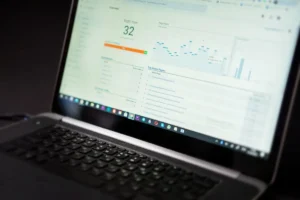
A SERP position checker tool shows where a page ranks in search results for a chosen keyword. You enter a keyword and a page or domain, run the check, and review the current ranking position, visibility changes, and movement over time. For daily SEO work, this helps you confirm whether a page is gaining traction, slipping, or holding steady after content updates, link changes, technical fixes, or competitor activity.
What a SERP position checker tool does
The main job of a SERP position checker tool is simple: it checks keyword positions in search results and turns that data into something you can act on. Instead of guessing whether a page improved after an edit, you can see the ranking position and compare it against previous checks.
With Keyword Position Tool, the practical use is straightforward. You can review:
- Current ranking position for a keyword
- Whether a page moved up, down, or stayed the same
- Which keywords deserve attention first
- Visibility patterns across important pages
This is especially useful when you manage service pages, product pages, blog posts, location pages, or landing pages that need steady search visibility.
When to use a SERP position checker
Use a SERP position checker any time ranking movement matters to a business decision. The most common use case is routine monitoring: checking whether your priority keywords are stable or drifting. But it is also useful after specific SEO actions.
After publishing or updating a page
If you rewrite title tags, expand page copy, improve internal links, or add structured content, a ranking check helps you confirm whether the page is responding. This is one of the fastest ways to see if an update is helping.
After a technical change
Changes to redirects, canonicals, indexing rules, page speed, templates, or mobile layout can affect rankings. A position check gives a quick visibility review without waiting for a full reporting cycle.
During weekly or daily SEO reviews
For teams that need a simple operating rhythm, daily or weekly checks make it easier to catch drops early. A page that falls from position 5 to 12 may need immediate attention before traffic loss becomes noticeable.
When competitors appear above you
If a competitor starts outranking an important page, position checks help you identify which keywords are under pressure. That lets you prioritize page improvements where the commercial impact is highest.
How to use the tool in a practical way
The best results come from checking a focused list of keywords rather than everything at once. Start with terms tied to revenue, leads, or high-value traffic. Then map those keywords to the pages meant to rank for them.
Step 1: Choose the keyword and target page
Pick one keyword with clear intent and the page that should rank for it. This avoids confusion when multiple pages compete for the same term.
Step 2: Run the position check
Check the current ranking and note the result. If the page is not ranking where expected, that is your signal to review relevance, page quality, and search intent alignment.
Step 3: Compare movement over time
A single ranking snapshot is useful, but movement tells the real story. If a page moved from 18 to 9, your optimization is likely working. If it dropped from 4 to 11, something changed and needs investigation.
Step 4: Take action based on the result
Ranking data is only valuable when it leads to a decision. Improve weak pages, protect strong pages, and re-check after changes. This creates a clean feedback loop for ongoing SEO work.
What ranking movement can tell you
Position changes are often early indicators. A small decline can point to stronger competitor pages, weaker relevance, outdated copy, or technical issues. A steady rise often suggests better alignment between the page and the keyword.
Use ranking movement to sort your pages into three groups:
- Pages improving and worth pushing further
- Pages declining and needing review
- Pages holding steady and needing protection
This kind of visibility review helps you avoid wasting time on pages that are already stable while focusing effort where movement matters.
Daily use cases for teams, site owners, and freelancers
A SERP position checker is most useful when it becomes part of normal workflow. It is not just for large campaigns. It is practical for small businesses, agencies, in-house marketers, publishers, and solo site owners who need a fast answer to one question: where does this page rank right now?
For local service pages
Track keywords tied to specific towns, cities, or service areas. If a local page drops, you can refresh local relevance signals before lead flow is affected.
For ecommerce category and product pages
Monitor commercial keywords where ranking changes can directly affect sales. This is useful during seasonal shifts, stock changes, or category page updates.
For content teams
Check whether blog posts and guides are climbing after refreshes. If a page reaches page one, it may justify further optimization to move into stronger click positions.
For client reporting
Freelancers and agencies can use position checks to show clear before-and-after movement. It keeps reporting simple and tied to visible outcomes.
Short workflow example
A business updates its “emergency plumber” service page on Monday by improving headings, adding service details, and tightening internal links. On Tuesday, the team uses Keyword Position Tool to check the target keyword and sees the page at position 11. Three days later, they check again and find it at position 8. That movement suggests the update helped, so they continue improving the page to push for a top-5 result.
How to get more value from position checks
Keep your keyword list clean, tie each keyword to one main page, and check consistently. Focus first on keywords with strong business value rather than vanity terms. If a page is close to page one or the top five, even a small ranking gain can produce a meaningful visibility lift.
It also helps to pair ranking checks with page review. If a keyword stalls, compare the page against the search results: intent match, depth, clarity, page structure, title, and supporting internal links. The ranking check tells you where to look first.
FAQ
What is a SERP position checker tool?
It is a tool that checks where a webpage ranks in search results for a specific keyword.
How often should I check keyword positions?
For important pages, daily or weekly checks are practical. The right frequency depends on how quickly rankings affect traffic or leads.
Why does ranking movement matter?
Movement shows whether your page is improving, declining, or staying stable, which helps you decide what to update next.
Who should use Keyword Position Tool?
It is useful for site owners, marketers, agencies, freelancers, and anyone who wants a simple way to review keyword positions and visibility.