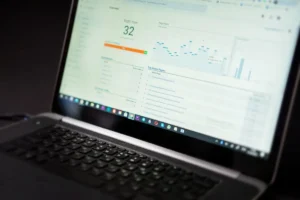
A monitor keyword positions tool shows where your pages rank for selected search terms, how those positions change over time, and which keywords are gaining or losing visibility. It is used to check daily ranking movement, spot drops early, compare page performance, and decide what to update next. For teams that need a simple, practical view of keyword performance, Keyword Position Tool helps turn ranking data into a daily action list.
What a monitor keyword positions tool does
The main job of a keyword position tool is to track search rankings for the keywords that matter to your business. Instead of manually searching and guessing where a page appears, the tool records positions consistently and shows movement across days, weeks, or months.
That makes it easier to answer practical questions such as:
- Which keywords moved up since yesterday or last week?
- Which pages lost visibility and need attention?
- Are recent content edits helping rankings?
- Which terms are close to page one and worth pushing further?
Keyword Position Tool is built for this exact use case: quick ranking checks, visibility review, and simple monitoring without unnecessary complexity.
When to use it
Use a monitor keyword positions tool whenever rankings affect traffic, leads, or sales and you need a reliable way to review movement. Daily checks are useful for active campaigns, while weekly reviews work well for stable sites that still need visibility control.
After publishing new pages
When you launch a new landing page, category page, or article, position tracking shows whether it starts appearing for target terms and how quickly it gains traction. This is one of the fastest ways to confirm whether indexing and keyword targeting are working.
After updating existing content
If you change headings, internal links, copy, metadata, or page structure, rankings may shift. Monitoring positions helps you tell whether the update improved results, had no effect, or caused a drop that needs correction.
During routine SEO reviews
Regular position checks help you review visibility without waiting for traffic declines. A keyword can slip several places before the impact becomes obvious in analytics. Ranking movement often gives an earlier warning.
When competitors are active
If search results in your market change often, tracking positions helps you spot volatility. A sudden decline for multiple keywords may indicate stronger competing pages, a search intent shift, or a need to improve relevance.
What to look for in daily keyword monitoring
Not every ranking change needs action. The useful part is identifying patterns that affect visibility and deciding what to do next.
Keywords moving from page two to page one
These are often the highest-opportunity terms. A page moving from positions 11 to 8 can create a meaningful visibility gain. This is usually a good time to strengthen internal links, tighten on-page targeting, and improve supporting copy.
Keywords dropping from top positions
If a term falls from position 3 to 7, the ranking is still decent, but visibility may decline sharply. This is where a monitor keyword positions tool becomes valuable: it helps you catch a drop before it turns into a larger traffic loss.
Pages ranking for the wrong keyword set
Sometimes a page ranks, but not for the terms you intended. Position tracking can reveal that a page is gaining visibility for secondary phrases while missing the main commercial keyword. That insight helps you adjust copy, headings, and page focus.
Groups of keywords moving together
When several terms tied to one page rise or fall at the same time, the issue is usually page-level rather than keyword-level. That makes prioritization easier, because one page update may improve multiple rankings.
How Keyword Position Tool helps with practical decisions
The value of ranking data is not the report itself. The value is knowing what to do next. Keyword Position Tool is useful when you need a clear view of performance without digging through bloated dashboards.
Prioritize pages with the strongest upside
If a page sits just outside top positions for several valuable terms, it may deserve immediate work. That is usually a better use of time than rewriting a page that ranks far beyond realistic reach.
Review visibility by keyword and page
A simple view of which page ranks for which term helps reduce overlap and confusion. It also helps when multiple pages compete for similar queries and you need to consolidate intent.
Track movement after changes
When you update a page, add links, or revise copy, the tool gives you a before-and-after view. This makes SEO work more accountable and easier to evaluate.
Short workflow example
A practical daily workflow might look like this:
- Check keywords with the biggest position drops in the last 24 hours.
- Identify whether the decline affects one page or several pages.
- Review the page for search intent match, title relevance, internal links, and content freshness.
- Update the page if needed and continue monitoring the keyword set for movement.
This kind of routine helps teams react quickly instead of finding ranking issues weeks later.
Who benefits most from a monitor keyword positions tool
This type of tool is useful for in-house marketers, SEO freelancers, agencies, publishers, ecommerce teams, and business owners who want a straightforward way to review ranking performance. It is especially helpful when you manage many target keywords and need a simple daily check rather than a heavy reporting process.
How to get more value from position checks
To make keyword monitoring more useful, track terms by page intent and business importance. Separate core commercial keywords from informational terms. Review movement by page clusters instead of isolated keywords. Focus first on terms that are already within reach, because those often produce the fastest gains.
It also helps to compare ranking movement with recent page changes. If visibility improved after an update, that is a strong signal to apply similar improvements elsewhere. If positions dropped, you can investigate quickly and reverse course.
FAQ
How often should I monitor keyword positions?
Daily is best for active campaigns or important revenue pages. Weekly is often enough for lower-priority content or stable sites.
Why do keyword positions change so often?
Rankings move because of competitor updates, search result changes, page edits, internal linking changes, and shifts in search intent.
What should I do if a keyword drops?
Check whether the drop affects one keyword or a full page group, then review the page for relevance, content quality, internal links, and recent changes.
Is position tracking useful if I already have traffic data?
Yes. Ranking data often shows visibility changes before traffic impact becomes obvious, which helps you act earlier.