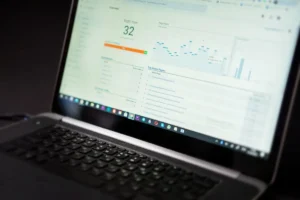
A local keyword position tool shows where your business appears in search results for location-based searches such as “dentist in Austin” or “roof repair near me.” It helps you check keyword positions by city, area, or service location, review visibility changes over time, and spot ranking movement that affects calls, visits, and leads. For local SEO, this matters because rankings can change by location, device, and search intent, even when the keyword looks similar.
What a local keyword position tool does
A local keyword position tool tracks how your pages rank for keywords tied to a place, service area, or nearby search. Instead of giving you a broad national view, it focuses on the searches that actually drive local business results. This lets you see whether your landing pages, location pages, and Google-facing content are gaining or losing visibility in the areas you want to reach.
With a practical tool, you can check positions for:
- City-based keywords
- Service plus location searches
- “Near me” intent patterns
- Multiple neighborhoods or nearby towns
- Ranking movement for individual pages
The main value is clarity. You can quickly see if a page is moving from page two to page one, if one location page is outperforming another, or if recent content changes caused a drop in visibility.
When to use a local keyword position tool
Use it any time local search traffic matters to your business. If you serve a defined area, have separate location pages, or depend on map and organic visibility for leads, position checks should be part of your weekly routine.
After publishing or updating location pages
When you launch a new city page or rewrite an existing service-area page, you need to know whether rankings improve, stall, or decline. A local keyword position tool gives you a direct way to measure the effect of those updates instead of guessing from traffic alone.
When rankings feel unstable
If calls or form submissions drop but your site is still online and indexed, keyword movement is often part of the story. Checking local positions helps you confirm whether your core terms lost visibility in one city, across several areas, or only on certain pages.
Before and after on-page SEO changes
Title updates, internal linking changes, content expansion, and schema improvements can all affect local rankings. Position tracking gives you a simple before-and-after view so you can tell which changes helped.
For daily or weekly visibility review
Local rankings can shift often, especially in competitive categories such as legal, home services, healthcare, and real estate. A regular review helps you catch movement early and respond before a small decline turns into a lead problem.
What to check in a local ranking report
A useful report should do more than show a single position number. For local search, context matters. The goal is to understand whether visibility is improving in the places that matter most.
Keyword position by location
Check how the same keyword performs across different cities, ZIP areas, or service regions. You may rank well in your main city but poorly in nearby towns where you also want business. That gap usually points to a page coverage or relevance issue.
Ranking movement over time
Daily and weekly changes show whether your visibility trend is stable, improving, or slipping. A one-day fluctuation may not matter, but a steady drop over two or three weeks usually needs action.
Page-to-keyword alignment
Review which page ranks for each local term. If the wrong page appears, or if several pages compete for the same location keyword, your site structure may be confusing search engines. This is common when businesses create overlapping service pages without clear local targeting.
Winners and declines
Look for keywords that jumped several positions as well as those that dropped. Strong upward movement can show which page format, content depth, or internal links are working. Declines can reveal pages that need refreshing, stronger local signals, or better intent matching.
How businesses use local position checks in practice
The most effective use case is simple: track the keywords tied directly to revenue. That usually means service plus city terms, high-intent local phrases, and branded local searches for each important area.
For single-location businesses
If you operate from one office or store, the tool helps you monitor your main city and nearby service areas. You can see whether your core pages are visible where your customers actually search.
For multi-location businesses
If you have several branches, local position checks help compare performance by location. One branch may rank strongly because its page is better optimized, more complete, or better linked internally. That gives you a model to apply elsewhere.
For agencies and freelancers
Local rank tracking makes reporting easier. Instead of vague updates, you can show clear movement for specific keywords in specific areas and tie that movement to work completed during the month.
Short workflow example
A plumbing company wants more leads from three nearby cities. It tracks “emergency plumber,” “water heater repair,” and “drain cleaning” for each city page. In week one, one city page ranks in the top 10 while the other two sit between positions 18 and 27. The business updates page titles, adds city-specific service details, improves internal links from the main services page, and refreshes FAQs. Over the next three weeks, the weaker pages move closer to page one. The team keeps the winning page structure and applies it to the rest of the location set.
Practical benefits of using Keyword Position Tool
- Check local keyword positions quickly without overcomplicated reporting
- Spot ranking drops before they affect lead flow for key areas
- Measure whether page updates improve visibility in target locations
- Compare cities, service areas, and location pages in one routine
How to get more value from local keyword tracking
Keep your keyword set focused. Track the terms that match real services and real places, not every variation you can think of. A smaller, high-intent list is easier to review and more useful for action.
Group keywords by page and location. This makes it easier to see whether a ranking issue comes from one underperforming page or from a broader site problem. It also helps you prioritize updates based on business value.
Review movement alongside your page edits. If rankings improved after expanding service details, adding location proof, or tightening titles, you have a repeatable pattern. If rankings dropped after changes, you know where to investigate first.
Most importantly, use the data regularly. Local SEO is not just about checking where you rank once. It is about watching movement, comparing locations, and making small practical improvements that increase visibility over time.
FAQ
What is a local keyword position tool?
It is a tool that checks where your website ranks for location-based search terms, helping you review visibility by city, area, or service location.
How often should I check local keyword rankings?
Weekly is a good baseline for most businesses. Daily checks can help if you are actively updating pages or working in a highly competitive local market.
Why do local rankings vary by location?
Search results change based on user location, local intent, competition, and how well your page matches a specific area or service query.
Which keywords should I track first?
Start with your main service plus location terms, your highest-converting local queries, and the keywords tied to your most important location pages.