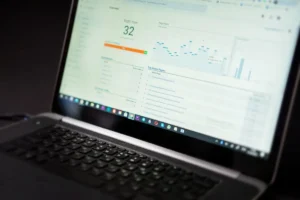
A keyword position monitoring dashboard shows where your pages rank for target search terms, how those rankings change over time, and which keywords need attention first. Keyword Position Tool is built for simple daily checks: enter keywords, review current positions, compare movement, and spot visibility gains or drops without digging through bulky reports.
What a keyword position monitoring dashboard does
The dashboard gives you a practical view of keyword performance in one place. Instead of checking rankings manually, you can review position data across your tracked terms and see whether pages are moving up, slipping down, or holding steady. This is useful for anyone managing SEO tasks on a daily or weekly schedule and needing quick answers.
With Keyword Position Tool, the main job of the dashboard is to turn ranking data into clear action points. You can check:
- Current keyword positions
- Ranking movement over time
- Visibility trends across tracked terms
- Which pages are gaining or losing traction
- Which keywords are close to page one and worth pushing
This makes it easier to decide where to update content, where to protect existing rankings, and where to stop spending time on terms that are not moving.
When to use a keyword position dashboard
A ranking dashboard is most useful when you need a fast, repeatable way to review search performance. It fits daily monitoring for active campaigns, weekly reporting for clients or internal teams, and monthly reviews for broader visibility trends.
Use it after publishing or updating a page
If you have launched a new landing page, refreshed product copy, or expanded an article, the dashboard helps you see whether target terms start moving. You do not need to wait for a full audit. A quick position check shows whether the update is gaining traction or whether more on-page work is needed.
Use it when rankings suddenly drop
If traffic softens or a key page loses leads, the first question is often whether rankings changed. A keyword position monitoring dashboard helps confirm whether the issue is tied to search visibility. You can quickly identify which terms fell, how far they dropped, and whether the decline is isolated to one page or spread across a topic group.
Use it to prioritize SEO work
Not every ranking change deserves the same response. A keyword moving from position 48 to 39 is less urgent than one dropping from 6 to 11. The dashboard helps you sort practical priorities by showing which terms are close to high-click positions and which ones are slipping out of valuable range.
How Keyword Position Tool helps with daily ranking checks
Keyword Position Tool is designed for users who want a straightforward position checker rather than a complex reporting suite. The dashboard keeps the focus on the numbers and movement that matter most for day-to-day SEO decisions.
Quick visibility review
The dashboard gives you a direct snapshot of how visible your tracked keywords are right now. This is useful for marketers, site owners, and content teams who need to know whether important pages are holding their search presence.
Ranking movement tracking
Position changes are often more useful than a single static ranking. A dashboard view helps you compare current positions against previous checks so you can see momentum. Rising terms may need a final content push. Falling terms may need title updates, internal links, or page improvements before they lose more ground.
Simple page-to-keyword review
One of the most practical uses of a keyword position monitoring dashboard is checking whether the right page ranks for the right term. If a weaker page appears instead of your intended landing page, that is a clear signal to improve page targeting, adjust internal links, or consolidate overlapping content.
What to look for inside the dashboard
A useful dashboard should help you answer practical questions fast. The most important checks are usually not complicated.
Keywords near the top 10
Terms ranking just outside page one are often the best short-term opportunities. If a keyword sits in positions 11 to 15, a focused update can sometimes produce a meaningful gain in clicks and leads.
Keywords with steady decline
A slow drop over several checks can be easier to miss than a sharp fall. The dashboard helps surface these patterns before they become expensive traffic losses.
Pages with mixed movement
If one page gains for some terms but drops for others, it may need tighter intent matching. This often happens when a page targets too many related phrases without clear structure.
Terms with no movement
Flat rankings can be useful signals too. If a keyword stays stuck for weeks, you may need stronger content changes rather than minor edits.
Short workflow example
A local service business tracks 25 keywords tied to core pages. Each morning, the team opens the dashboard and reviews three things: keywords that dropped by more than two positions, keywords sitting in positions 8 to 15, and pages with multiple term changes. They notice one service page fell from position 5 to 9 for a high-value term. The page is updated with clearer service details, stronger internal links, and a revised title. Over the next checks, the dashboard shows the term recovering, confirming the update was worth keeping.
Who benefits from this type of dashboard
This kind of tool is useful for solo site owners, in-house marketers, SEO freelancers, and agencies that need a reliable ranking view without extra clutter. It is especially helpful when the goal is not broad analytics, but practical keyword position checks that support daily decisions.
For small teams, the value is speed. For agencies, the value is consistency. For content managers, the value is knowing which pages deserve the next update. In each case, the dashboard supports a simple routine: check positions, review movement, act on the highest-value changes.
How to get more value from keyword position monitoring
The dashboard works best when tracking is tied to clear actions. Monitor keywords that connect to real pages and real business goals. Group terms by page or topic so movement is easier to interpret. Review changes on a fixed schedule instead of checking randomly. Most importantly, treat position changes as prompts for action rather than just numbers in a report.
Good monitoring habits usually include checking branded and non-branded terms separately, watching high-conversion keywords more closely than low-value informational terms, and reviewing ranking changes alongside page edits so cause and effect are easier to understand.
FAQ
What is a keyword position monitoring dashboard?
It is a dashboard that shows where your tracked keywords rank in search results and how those positions change over time.
How often should I check keyword positions?
For active SEO work, daily or weekly checks are usually enough. The right schedule depends on how often your pages change and how closely you manage rankings.
Why is ranking movement more useful than a single position check?
Movement shows trend and momentum. A single ranking only shows where a keyword is at one moment, while movement helps you decide whether visibility is improving or slipping.
Who should use Keyword Position Tool?
It is a practical fit for anyone who wants a simple way to monitor keyword positions, review visibility, and act on ranking changes without unnecessary complexity.