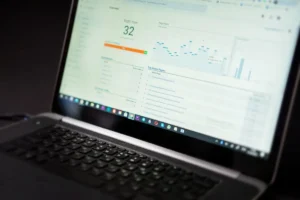
A keyword position dashboard tool shows where your tracked keywords rank, how those positions change over time, and which pages are gaining or losing visibility. Instead of checking rankings one keyword at a time, it puts daily movement, page-level performance, and quick visibility review into one place so you can spot wins, drops, and priorities fast.
What a keyword position dashboard tool does
A practical keyword position dashboard is built to answer four daily questions:
- Which keywords moved up or down today?
- Which landing pages are improving or slipping?
- Where are the biggest opportunities to move into stronger positions?
- Which ranking changes need action now?
For most teams, the value is speed. You do not want to open multiple reports just to see whether a target term moved from position 11 to 8, or whether a product page lost visibility across several related keywords. A dashboard tool makes that movement obvious and keeps the review process consistent.
When to use a keyword position dashboard
This tool is most useful when rankings matter to daily or weekly decisions. If you publish content regularly, manage category or service pages, run local SEO campaigns, or report keyword performance to clients or internal stakeholders, a dashboard helps you review progress without wasting time.
Use it when:
- you need a fast morning ranking check
- you want to monitor important keywords after page updates
- you are tracking visibility for core pages, not just raw traffic
- you need to catch ranking drops before they affect leads or sales
- you want a simple way to compare keyword movement over days or weeks
What to review inside the dashboard
Current keyword positions
The first job is simple: show the latest ranking for each tracked keyword. This lets you quickly separate top-performing terms from those stuck on page two or lower. For practical use, the dashboard should make it easy to scan by keyword, page, and current position.
Ranking movement over time
Position alone is not enough. You also need trend direction. A keyword that sits at position 6 today may be improving steadily from 14, while another at position 6 may have dropped from 3. A useful dashboard highlights daily, weekly, or monthly movement so you can tell whether performance is stable, improving, or declining.
Page-level visibility review
Most ranking work happens at the page level. If one page ranks for several related terms, a dashboard should help you see whether that page is gaining visibility as a whole. This is especially useful for service pages, category pages, and high-value blog posts where multiple keyword changes point to one underlying issue or improvement.
Winners, losers, and near-page-one terms
The most commercially useful view is often the simplest: biggest gains, biggest drops, and keywords close to stronger positions. Terms sitting in positions 8 to 15 are often the fastest opportunities because a small update can push them into more visible placements. A dashboard makes those keywords easier to prioritize.
Practical benefits of using a keyword position dashboard tool
- See ranking changes quickly without manual checks
- Prioritize pages that can improve fastest
- Spot drops before they become bigger traffic losses
- Keep daily reporting simple for teams or clients
How teams use it in daily SEO work
After publishing or updating a page
Once a page is updated, rankings rarely stay static. A dashboard helps you watch the target keyword set tied to that page and judge whether the update is helping. If movement is flat after a reasonable period, that may signal the need for stronger internal links, better on-page targeting, or a more competitive page structure.
For weekly visibility review
Many users do not need deep analysis every day. They need a clean weekly review that shows movement across priority terms. A dashboard supports this by turning ranking history into a quick check: what improved, what dropped, and what should be worked on next.
For client or stakeholder reporting
Rankings are easier to explain when they are grouped clearly. Instead of sending a spreadsheet full of disconnected numbers, a dashboard gives a practical summary of movement, page performance, and keyword trends. That makes reporting easier to understand and easier to act on.
What to do when rankings move
A dashboard is most useful when it leads to action. If a keyword rises, review the page and identify what likely helped so you can repeat it elsewhere. If a keyword drops, check the affected page first. Look for content changes, internal linking shifts, competing pages, or signs that another result now better matches search intent.
When several keywords tied to one page decline together, treat it as a page-level issue. When only one keyword drops while related terms stay stable, the problem may be query-specific. This distinction helps you choose the right next step instead of making broad edits without a clear reason.
Short workflow example
A simple daily workflow might look like this:
- Open the dashboard and review keywords with the largest position changes.
- Filter for terms in positions 5 to 15 to find quick-win opportunities.
- Check which pages are tied to those keywords.
- Update one or two priority pages based on movement and business value.
- Review the same keyword set again over the next few days.
How Keyword Position Tool fits this use case
Keyword Position Tool is designed for users who want a straightforward way to check keyword positions and review ranking movement without unnecessary complexity. The goal is practical visibility review: track important keywords, monitor page performance, and identify changes that deserve action. For users who want a simple keyword position tool rather than a bloated reporting setup, that makes daily use faster and easier to maintain.
FAQ
What is a keyword position dashboard tool?
It is a tool that shows the current ranking of tracked keywords and how those rankings change over time, often alongside page-level visibility and movement summaries.
How often should I check keyword positions?
Daily checks are useful for active campaigns and important pages. Weekly review is often enough for slower-moving projects or routine monitoring.
Why does ranking movement matter more than a single position?
Because trend direction shows whether your SEO work is helping, stalling, or losing ground. One position snapshot does not show momentum.
Who should use a keyword position dashboard?
SEO teams, site owners, agencies, content managers, and local businesses that need a simple way to monitor keyword visibility and react to ranking changes.