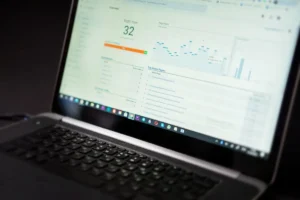
A keyword position check tool shows where your pages rank in search results for the keywords that matter to your business. Use it to check current positions, spot gains and drops, review visibility across pages, and decide what to update next. For daily SEO work, it helps answer four practical questions fast: which keywords are moving, which pages are losing ground, which terms are close to page one, and where to focus effort first.
What a keyword position check tool does
The main job of a keyword position tool is simple: it tracks ranking positions for selected keywords and connects them to the pages ranking for those terms. Instead of manually searching and guessing, you get a clearer view of keyword movement over time.
For practical use, that means you can:
- Check current ranking position for priority keywords
- Review movement up or down since the last check
- See which landing page is ranking for each term
- Find keywords sitting just outside stronger visibility ranges
- Monitor whether recent page updates improved rankings
For a small business, publisher, affiliate site, or agency workflow, this makes ranking review much faster. You are not just collecting numbers. You are identifying where traffic opportunities are opening or slipping.
When to use a keyword position check
A keyword position check is most useful when you need a quick, reliable view of search visibility without digging through multiple reports. It fits well into daily and weekly SEO routines.
After publishing a new page
Once a page is live and indexed, position checks help confirm whether it is starting to rank for the intended search terms. Early movement often shows whether the page is aligned with search intent or needs stronger on-page targeting.
After updating existing content
If you improve headings, copy, internal links, or page structure, rankings should be monitored to see whether those changes helped. A position check gives a direct before-and-after view for the keywords tied to that page.
During weekly visibility reviews
Many teams use a simple weekly check to review winners, losers, and near-opportunity terms. This is one of the most practical uses of a keyword position tool because it keeps SEO work focused on movement, not theory.
When rankings suddenly drop
If a page loses traffic, a keyword position check helps identify whether the issue is broad or limited to a few terms. That makes it easier to decide whether to update content, improve internal linking, or review competing pages.
How to use the tool for daily SEO decisions
The most effective way to use a keyword position tool is to group keywords by page, topic, or business priority. That keeps ranking checks tied to actions you can actually take.
Check your priority keywords first
Start with the terms that drive revenue, leads, or qualified traffic. These are usually product terms, service terms, and high-intent informational phrases that support conversions. Daily or frequent checks make sense here because even small ranking changes can affect performance.
Look for movement, not just absolute rank
A keyword moving from position 18 to 11 is often more useful than one holding steady at position 4. Movement shows momentum. It also highlights where a page may be close to stronger visibility with only a modest update.
Review page-level patterns
If one page is dropping across several related keywords, the issue is usually page-specific. If many pages are slipping, the problem may be broader. Position checks help separate isolated issues from site-wide trends.
Prioritize keywords near page one
Keywords ranking in the low teens or high single digits are often the best short-term opportunities. They usually need less work than terms stuck far deeper in results. A practical keyword position review helps you find these terms quickly and assign them for action.
What to look for in ranking movement
Not every ranking change matters equally. The best use of a keyword position check tool is to focus on changes that can lead to stronger traffic and visibility.
Positive movement
When rankings improve, check what changed. Did you refresh the page, add supporting content, improve title targeting, or strengthen internal links? Repeating what worked can be more valuable than chasing entirely new keywords.
Negative movement
If rankings decline, compare the affected page with current search results. The page may need fresher content, better topical coverage, clearer structure, or stronger relevance to the keyword. A position check gives you the first signal so you can investigate quickly.
Keyword-to-page mismatch
Sometimes the wrong page ranks for a keyword. That can weaken performance if the ranking page is not the best fit for search intent. Position tracking helps you catch this and decide whether to consolidate, retarget, or improve internal linking.
Short workflow example
A practical daily workflow might look like this: check 20 priority keywords, sort by biggest movement, review any terms that dropped by several positions, identify pages ranking between positions 8 and 15, and assign updates to those pages first. Then recheck after the next content or link update cycle to confirm whether visibility improved.
Why simple position checks are useful
Many users do not need a bloated reporting system. They need a fast way to see where they rank, what changed, and what to do next. A simple keyword position tool supports that workflow by keeping attention on rankings, visibility review, and action.
This is especially useful for:
- Small teams managing a focused keyword set
- Site owners checking ranking movement after edits
- Agencies reviewing client keyword trends quickly
- Marketers prioritizing pages close to stronger visibility
How Keyword Position Tool fits practical SEO work
Keyword Position Tool is built for users who want straightforward ranking checks without extra clutter. If your goal is to review keyword positions, monitor movement, and spot visibility changes quickly, a focused tool is often more useful than a broad platform with too many layers.
For commercial use, this matters because ranking checks are not just reports. They support decisions about content updates, landing page improvements, internal linking, and where to spend limited SEO time. A clear position view helps you act faster.
FAQ
How often should I check keyword positions?
For high-priority terms, daily or several times per week can be useful. For broader keyword sets, weekly checks are often enough to spot meaningful movement.
What is a good ranking position to target first?
Keywords ranking between positions 8 and 20 are often strong candidates because they may need only moderate improvement to gain better visibility.
Should I track keywords by page or by topic?
Both can work, but tracking by page is usually more actionable because it shows exactly which URL needs attention.
What should I do if a keyword drops suddenly?
Check whether the ranking page changed, review recent edits, compare the page with current search results, and look for intent mismatch or weaker content coverage.