

Selecting rank tracking software is a foundational decision for any SEO team, directly impacting their ability to monitor performance, identify opportunities, and report on strategic initiatives. The market offers a diverse range of solutions, from those focused on raw data volume to platforms emphasizing advanced analytics and team collaboration. The critical factor in selection is aligning the software's capabilities with your team's specific operational needs, reporting requirements, and the scale of your SEO efforts. This isn't merely about seeing where a keyword ranks; it's about gaining actionable intelligence to drive organic growth. This comprehensive guide to keyword rank tracking will help you navigate the complexities of performance monitoring.
Data Accuracy and Granularity
The reliability of your rank tracking data is paramount. Software must accurately reflect real-world search engine results pages (SERPs) for your target geographies and devices. Look for platforms that offer:
- Hyper-Local Tracking: The ability to track rankings down to specific city, postal code, or even neighborhood levels, crucial for businesses with physical locations or regionally targeted campaigns.
- Device-Specific Data: Separate tracking for desktop, mobile, and tablet results, acknowledging the distinct SERP layouts and ranking factors for each.
- SERP Feature Monitoring: Beyond organic positions, the software should identify and track visibility in featured snippets, People Also Ask boxes, local packs, image carousels, and other dynamic SERP elements. This provides a more complete picture of actual search visibility.
- Update Frequency: Daily updates are essential for competitive niches, during active campaign monitoring, or when rapid algorithm changes occur. Less frequent updates (e.g., weekly) may suffice for very stable, long-tail keywords or lower-priority projects.
Best for: Teams managing local SEO, e-commerce sites, or highly competitive industries where minute shifts in SERP features or local visibility directly impact traffic and conversions.
Keyword Volume and Management
Effective rank tracking requires robust keyword management capabilities. Consider the following:
- Keyword Limits: Evaluate the base number of keywords included and the cost structure for scaling up. Ensure it aligns with your current portfolio and projected growth.
- Keyword Organization: The ability to group, tag, and filter keywords by project, client, campaign, or intent (e.g., informational, commercial) is critical for efficient analysis and reporting.
- Keyword Discovery Integration: Some platforms integrate keyword research tools or allow seamless import of keywords from external sources, streamlining the process of adding new terms to track.
Best for: Agencies managing multiple clients, large enterprises with extensive keyword portfolios, or content teams needing to segment keywords for specific content clusters.
Reporting and Visualization
Raw data is only valuable if it can be translated into actionable insights. Your chosen software should offer:
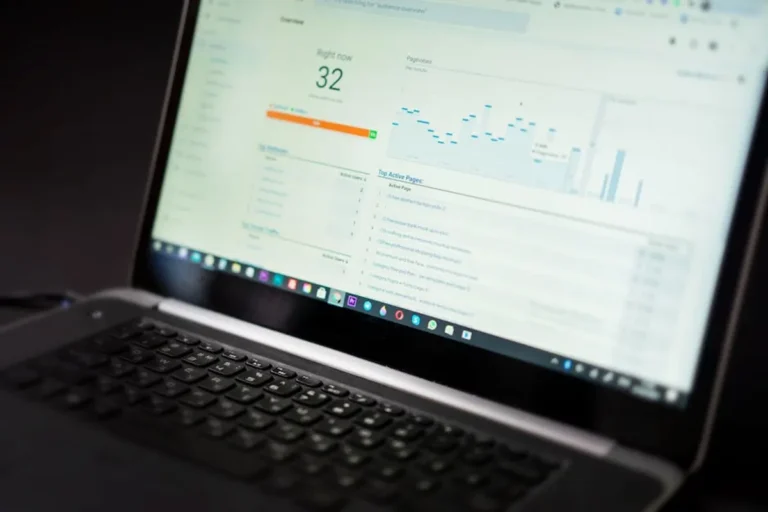
- Customizable Dashboards: The flexibility to build dashboards that highlight key performance indicators (KPIs) relevant to your team and stakeholders, such as average position, visibility score, traffic estimates, and SERP feature presence.
- White-Label Reporting: Essential for agencies needing to present branded reports to clients without external software branding.
- Scheduled Reports: Automation of daily, weekly, or monthly reports delivered directly to team members or clients, saving significant manual effort.
- Historical Data Retention: Access to extensive historical data is crucial for identifying long-term trends, measuring the impact of past SEO efforts, and forecasting future performance.
Best for: Agencies, consultants, or in-house teams with diverse reporting needs for various internal departments or external clients.
Pro Tip: When evaluating reporting, don't just look at the number of charts. Focus on whether the platform allows you to combine rank data with other metrics (e.g., traffic from Google Analytics, conversion data) to tell a complete performance story. Isolated rank changes can be misleading without conversion context.
Competitor Monitoring
Understanding your competitive landscape is integral to SEO strategy. The software should enable you to:
- Track Competitor Rankings: Monitor the organic performance of direct competitors for your target keywords.
- Identify Share of Voice: Gauge your market share in the SERPs compared to competitors for specific keyword sets.
- Discover Competitor Strategies: By observing competitor ranking trends, new keywords they target, or their SERP feature dominance, you can infer their content and SEO strategies.
Best for: Any business operating in a competitive online market, especially those in e-commerce or lead generation, where competitive intelligence drives tactical adjustments.
API Access and Integrations
For larger teams or those with sophisticated data infrastructure, API access is a significant advantage:
- Data Integration: An API allows you to pull raw rank tracking data into internal data warehouses, business intelligence tools, or custom dashboards, enabling deeper analysis alongside other business metrics.
- Workflow Automation: Integrate rank data into other SEO tools, project management systems, or reporting platforms to automate workflows and reduce manual data transfer.
Best for: Enterprises, large agencies, or development-heavy SEO teams that require custom data manipulation, advanced analytics, or seamless integration into proprietary systems.
Scalability and Pricing Models
The cost and scalability of rank tracking software vary widely. Consider:
- Tiered Pricing: Most platforms offer tiers based on keyword volume, update frequency, or features. Evaluate which tier truly meets your needs without overpaying for unused capacity.
- User Seats: If multiple team members need access, check if user seats are included or an additional cost.
- Growth Path: Understand how pricing scales as your keyword portfolio or team size increases. Avoid solutions that become prohibitively expensive with growth.
User Interface and Collaboration Features
Ease of use and team functionality are often overlooked but crucial for daily operations:
- Intuitive Interface: A clean, logical interface reduces the learning curve and improves team efficiency.
- Multi-User Access and Permissions: The ability to grant different levels of access (e.g., read-only for clients, full access for team leads) ensures data security and controlled collaboration.
- Notes and Annotations: Features allowing team members to add notes directly to rank graphs or reports are invaluable for tracking algorithm updates, campaign launches, or website changes alongside ranking performance.
Best for: Any SEO team, as a user-friendly interface and collaborative features directly impact productivity and team communication.
Making Your Selection
The optimal rank tracking software for your SEO team is the one that most closely aligns with your specific objectives, operational workflows, and budget constraints. Prioritize features that directly address your biggest challenges, whether that's granular local tracking, extensive competitor insights, or seamless integration into existing data infrastructure. Begin with a clear understanding of your team's daily tasks, reporting needs, and growth projections before committing to a solution. A thorough trial period with your shortlisted options will provide the most practical insights into their real-world utility.
Frequently Asked Questions
How often should an SEO team check keyword rankings?
For highly competitive keywords or during active campaigns, daily checks are recommended to catch immediate shifts. For stable, long-tail keywords or general monitoring, weekly or bi-weekly checks often suffice. The frequency should align with the volatility of the SERP and the urgency of potential actions.
What is the difference between local and global rank tracking?
Global rank tracking monitors keyword positions across broad geographic regions (e.g., country-level) without specific location biases. Local rank tracking, however, simulates searches from precise geographic points (e.g., a specific city, zip code, or even street address), providing highly accurate results for local businesses or geo-targeted campaigns.
Is competitor rank tracking truly necessary?
Yes, competitor rank tracking is essential. It provides crucial insights into your market share, helps identify new keyword opportunities your competitors are leveraging, and allows you to react strategically to their organic performance shifts, preventing you from operating in a vacuum.
Can rank tracking software estimate organic traffic?
Many advanced rank tracking platforms offer estimated organic traffic data based on keyword position, search volume, and click-through rate (CTR) models. While these are estimates and should be cross-referenced with actual analytics data, they provide a useful high-level indicator of potential traffic impact from ranking changes. Understanding the various rank tracking tool features available can help you leverage these estimates effectively.