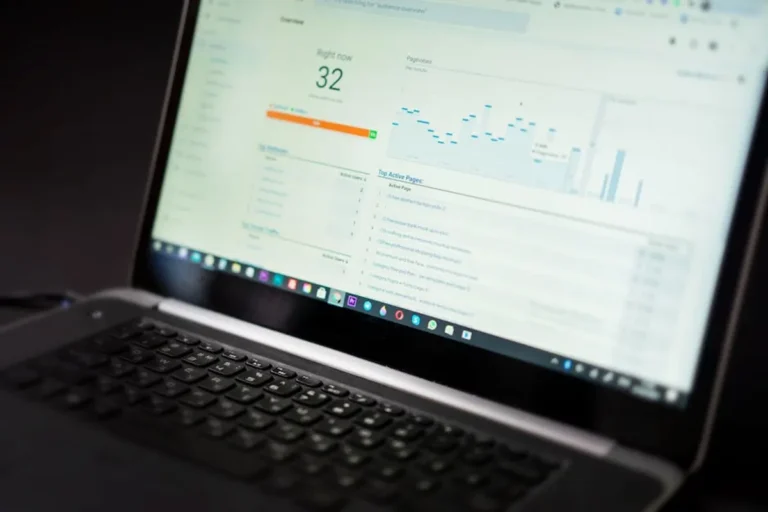


Understanding organic search visibility is fundamental for any digital strategy. A rank tracking tool serves as the primary mechanism for monitoring a website’s position in search engine results pages (SERPs) for targeted keywords. For SEO professionals, marketers, and site owners, selecting the right tool is not merely about seeing numbers; it’s about accessing actionable data that informs content strategy, identifies competitive threats, and quantifies the return on SEO investment. This decision requires a clear understanding of the tool's capabilities, the reliability of its data, and how its features align with specific business objectives. Understanding the importance of rank tracking starts with the basics of monitoring a website’s position in SERPs for relevant keywords.
Core Functionality: Essential Features of Rank Tracking Tools
Modern rank tracking solutions extend far beyond simple keyword position checks. Their utility is defined by the depth and breadth of data they provide, coupled with how that data is presented.
Granular Keyword Monitoring
The foundation of any rank tracker is its ability to monitor keyword positions. However, the commercial value lies in the granularity. Tools offer tracking at various frequencies—daily, weekly, or on-demand—and across different user contexts:
- Geo-Specific Tracking: Monitoring rankings from specific cities, states, or countries, crucial for local SEO strategies or businesses with regional targeting.
- Device-Specific Tracking: Differentiating between mobile and desktop SERP positions, reflecting the varying algorithms and user experiences across devices.
- Search Engine Variety: Tracking across Google, Bing, Yahoo, and sometimes international search engines like Baidu or Yandex, depending on the target market.
- Keyword Grouping and Tagging: Organizing keywords into logical groups (e.g., by product category, intent, or campaign) for streamlined analysis and reporting.
Competitor Performance Analysis
Beyond self-monitoring, these tools provide critical competitive intelligence. They allow users to track competitor rankings for the same keyword sets, offering insights into market share and identifying opportunities for content differentiation or strategic targeting. Features often include side-by-side ranking comparisons and visibility metrics that quantify a domain's overall presence relative to its rivals.
SERP Feature Tracking
The modern SERP is rich with features beyond the standard organic blue links. Effective rank trackers identify and monitor visibility within these elements:
- Featured Snippets: Tracking whether your content (or a competitor's) occupies the coveted "position zero."
- Local Packs: Essential for local businesses to monitor their presence in map results.
- Knowledge Panels: Monitoring brand or entity visibility.
- Image/Video Carousels: Relevant for visual content strategies.
- People Also Ask (PAA): Identifying related questions and content opportunities.
Reporting and Visualization
Data is only useful if it's interpretable. Tools offer customizable dashboards, historical data retention, and automated reporting. Visualizations such as trend graphs, visibility scores, and share-of-voice metrics help stakeholders quickly grasp performance shifts and understand the impact of SEO efforts. Alerts for significant ranking changes ensure timely response to drops or surges.
Ensuring Data Accuracy and Reliability
The commercial utility of a rank tracking tool hinges on the accuracy of its data. Several factors contribute to how reliably a tool reflects actual SERP positions. The commercial utility of a rank tracking tool accuracy is directly tied to how reliably it reflects actual SERP positions.
Mitigating SERP Personalization
Search results are often personalized based on user location, search history, and device. Reputable rank trackers employ methods to minimize this personalization, such as querying from clean IP addresses, using incognito modes, and simulating searches from specific geographic coordinates. This aims to provide a more objective, average representation of rankings.
Data Freshness and Frequency
Daily tracking provides the most up-to-date picture of SERP fluctuations, which is crucial for monitoring the immediate impact of content updates, technical changes, or algorithm shifts. Less frequent tracking (e.g., weekly) can still be sufficient for long-term trend analysis but may miss short-term volatility. The tool's infrastructure must support consistent and reliable data retrieval at the chosen frequency.
Geo-Specificity and Device-Specificity
True accuracy requires the ability to query search engines as if from a specific location and on a particular device type. A tool that accurately simulates a mobile search from a particular zip code provides far more actionable data for a local business than one that offers only national desktop averages.
Pro Tip: Do not solely rely on a rank tracking tool's data for validation. Cross-reference significant ranking changes or anomalies with Google Search Console performance reports and manual incognito searches from relevant locations and devices. This multi-source validation helps confirm data integrity and provides context for observed shifts.
Strategic Use Cases for Rank Tracking
Integrating rank tracking into daily operations transforms raw data into strategic insights.
Measuring SEO Performance and ROI
Best for: Demonstrating value, quantifying success.
Rank tracking provides a direct, quantifiable metric for SEO progress. By monitoring keyword positions over time, businesses can attribute ranking improvements to specific SEO campaigns, content updates, or technical optimizations. This data is essential for calculating the return on investment (ROI) of SEO efforts and justifying continued resource allocation.
Informing Content Strategy and Optimization
Best for: Guiding content creation, improving existing assets.
Analyzing ranking data helps identify content gaps (keywords where competitors rank but you don't), opportunities for existing content optimization (pages ranking on page two that could reach page one), and the effectiveness of new content pieces. Tracking SERP features also guides content formatting decisions, such as structuring content for featured snippets or PAA boxes.
Competitive Intelligence and Market Analysis
Best for: Understanding market share, identifying threats and opportunities.
By tracking competitor rankings for high-value keywords, businesses can identify who dominates specific niches, what content strategies are working for rivals, and where there are opportunities to gain market share. This competitive lens informs strategic decisions about keyword targeting, link building, and content differentiation.
Identifying Technical SEO Issues
Best for: Early detection of site problems, preventing traffic loss.
Sudden, widespread drops in rankings across many keywords can signal technical SEO issues, such as indexing problems, site speed degradation, or canonicalization errors. A robust rank tracker with historical data allows for quick identification of these broad declines, prompting immediate investigation and remediation.
Client Reporting and Accountability (Agencies)
Best for: Transparent communication, proving service value.
For SEO agencies, rank tracking tools are indispensable for client reporting. They provide clear, objective data on campaign performance, demonstrating progress and justifying ongoing retainers. Customizable reports and dashboards allow agencies to communicate value effectively and build trust with clients.
Optimizing Your Rank Tracking Workflow
To maximize the commercial utility of a rank tracking tool, integrate it seamlessly into your SEO workflow. Start by defining your key performance indicators (KPIs) related to organic visibility, such as average position for a core keyword set, share of voice, or specific SERP feature attainment. Regularly review performance reports, not just for upward trends, but also for unexpected drops that require immediate investigation. Use the competitive data to refine your content calendar and identify new keyword opportunities. Automate alerts for significant changes to ensure you're always aware of critical shifts in your organic landscape. The goal is to move beyond passive monitoring to proactive, data-driven decision-making that directly impacts business growth.
Frequently Asked Questions About Rank Tracking Tools
How often should I check my keyword rankings?
For most businesses, daily or weekly tracking is sufficient. Daily tracking provides granular insights into rapid SERP shifts and the immediate impact of optimizations, while weekly tracking offers a good balance for observing trends without excessive data noise. The frequency should align with your SEO activity level and the volatility of your target keywords.
Can rank tracking tools account for SERP personalization?
Reputable rank tracking tools employ sophisticated methods to minimize the effects of SERP personalization, such as querying from clean IP addresses and simulating searches from specific geographic locations and devices. While perfect objectivity is challenging, these methods aim to provide a more standardized and representative view of rankings than individual manual searches.
What's the difference between rank tracking data and Google Search Console data?
Rank tracking tools provide keyword-specific positions for a predefined set of keywords, often with competitor data and SERP feature insights. Google Search Console, conversely, shows average position data for all keywords your site ranks for, along with impressions, clicks, and click-through rates. Both are crucial: rank trackers offer focused, competitive insights, while Search Console provides a broader performance overview and diagnostic data directly from Google.
Is rank tracking still relevant with the rise of zero-click SERPs?
Yes, rank tracking remains highly relevant. While zero-click SERPs mean users find answers directly on the search results page without clicking through, tracking your visibility within these SERP features (like featured snippets, local packs, or PAA boxes) is crucial. A rank tracker that monitors these features helps you optimize for visibility even when a click isn't the immediate goal, ensuring your brand is still present where users are seeking information.